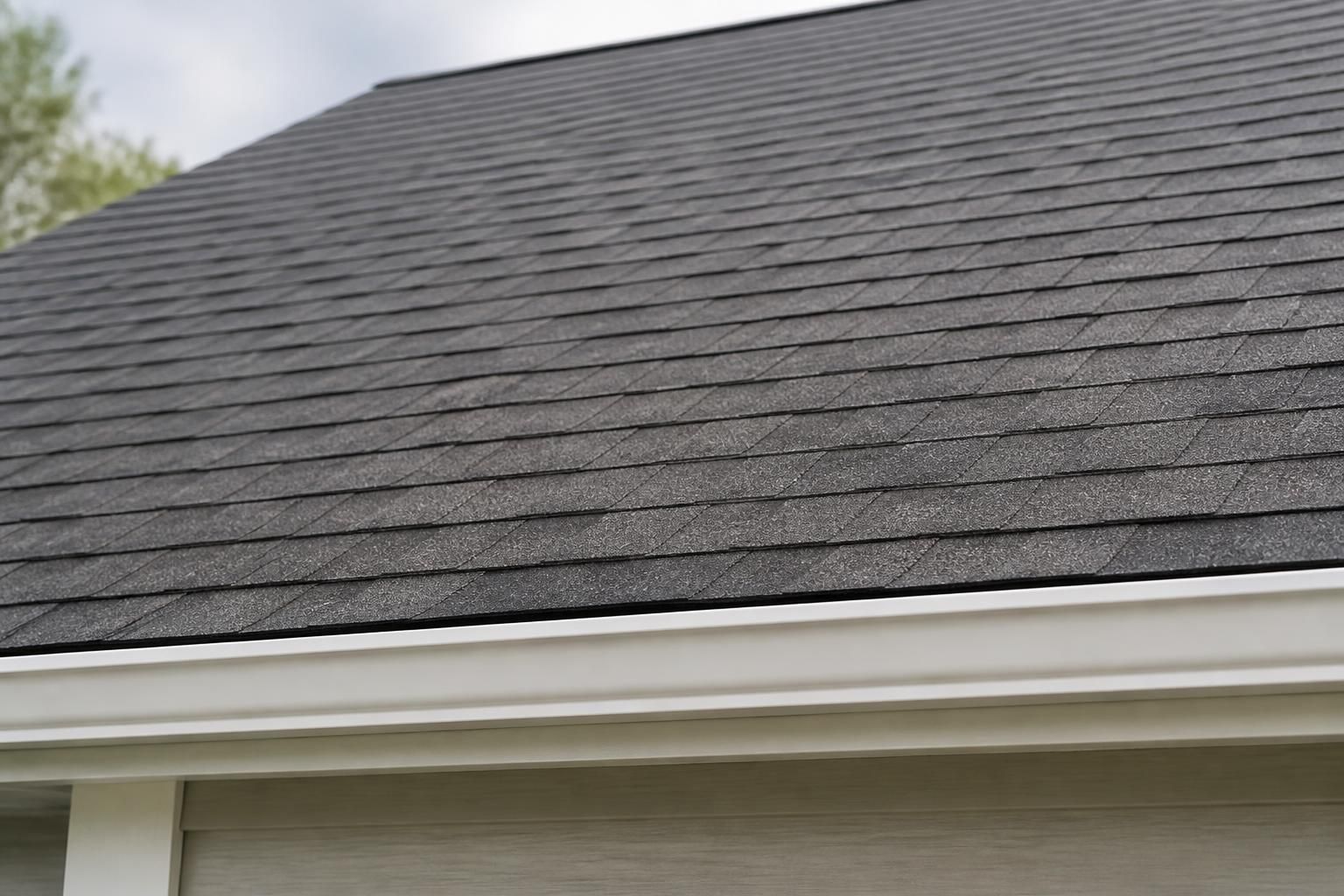
A roof problem usually starts small: a stain on the ceiling, a shingle out of place, or a damp spot after rain. You may not see the source right away, but the signs often point to damage that should be checked before it spreads.
If your roof over Fort Washington, Maryland is showing leaks, lifted shingles, or worn flashing, MGO Roofing can inspect the condition, explain what is happening, and repair the affected areas with clear next steps.
Not every roof concern calls for a full replacement. Many homes only need targeted repair work to restore the roof’s protective layer and stop water entry at the damaged spot.
We look at the age of the roof, the extent of the damage, and whether the problem is isolated or part of a wider pattern. That helps homeowners avoid bigger work when a smaller repair is still a smart option.
When we inspect the roof, we focus on the source of the problem rather than only the visible symptom inside the home. A ceiling stain may show where water ended up, not where it entered.
Roof damage often gives homeowners clues before a major leak appears. Catching those early signs can help limit repairs and reduce the chance of interior damage.
If shingles are gone, curled, or out of alignment, the roof surface may have openings that let water reach the layers below.
Brown marks on ceilings or upper walls often mean water has moved through the roofing system and into the home.
Shingle granules in gutters or around the home can signal wear on the roof surface.
A roof area that feels uneven may need closer inspection for damage beneath the surface.
Moisture that appears during wet weather is a strong reason to schedule a roof check.
These signs do not always point to the same type of repair, which is why a careful inspection matters before any work begins.
Roof repair should be straightforward for the homeowner. We keep the process clear, from the first conversation through the final review of the work completed.
We assess the affected areas, check nearby sections, and look for the cause of the issue. That includes the shingles, flashing, penetrations, valleys, and other vulnerable points that can allow water to enter.
After the inspection, we explain what needs attention and which repair approach fits the situation. Some roofs need small fixes; others need a larger section addressed to solve the problem completely.
MGO Roofing uses its own crews, which helps us keep communication direct and the work consistent from start to finish. The repair is handled with attention to the damaged area and the roof components around it.
Once the repair is complete, we review the finished work and make sure the area has been addressed with care. Homeowners also get a clearer understanding of what was repaired and what to monitor going forward.
After strong weather, roof damage can be easy to miss from the ground. A few missing shingles or a lifted edge may not look serious at first, but those openings can become a path for water when the next rain arrives.
Leak repair often involves more than sealing a visible spot. We trace where water is entering and repair the materials that no longer protect the roof assembly. That may include damaged shingles, flashing concerns, or areas where the roof surface has been compromised.
If your roof has changed after a storm, it is worth having it checked before a small issue becomes a larger interior problem.
Many roof repairs come down to two key parts of the system: shingles and flashing. When either one fails, water can find a path into the home.
Shingle repair may involve replacing damaged pieces, matching surrounding materials as closely as possible, and making sure the surrounding area is secure. Flashing repair focuses on the metal or sealed transitions that protect joints around chimneys, vents, walls, and similar roof details.
Shingles shed water across the roof surface, while flashing protects the places where different materials meet. If either area is damaged, the roof loses part of its defense against moisture.
That is why even a small repair should be handled with care. A patch that misses the real source may leave the problem active, and repeated water entry can affect framing, insulation, and interior finishes.
Roof repair often comes with uncertainty. Homeowners want to know whether the roof can be saved, how much material is involved, and how quickly the concern should be addressed.
We help you sort through the practical questions so the next decision is easier to make. That includes whether the issue appears isolated, whether nearby sections show wear, and whether repair is the right step for the roof’s condition.
Clear answers matter because roof work should solve the problem, not just cover it up.
Roof issues are easier to manage when you work with a company that knows the area and the kinds of homes it serves. MGO Roofing works with homeowners throughout Fort Washington, Maryland and nearby communities, so scheduling, communication, and follow-through stay simple.
Since 2016, we have focused on residential roof replacement, roof repair, roof inspection, storm-damage roofing, leak repair, shingle replacement, and gutter replacement. For repair work, that experience helps us identify what matters most and recommend the next step without overcomplicating it.
Because MGO Roofing uses its own crews, homeowners work directly with us from the initial consultation through the final inspection. That keeps the process consistent and helps reduce confusion along the way.
Water stains on ceilings or upper walls are often one of the first signs. A roof inspection can trace the source and separate roof entry points from interior moisture that may appear elsewhere.
Yes, if the damage is limited and the surrounding roof is still sound. We check the nearby area to make sure the repair addresses more than the visible missing pieces.
Flashing repairs can be very important because these areas protect roof transitions. If flashing has loosened, bent, or failed, water may enter even when the shingles still look acceptable.
Not always. Some repairs are isolated and hold up well after the damaged section is corrected. The roof’s overall condition determines whether repair is enough or whether replacement should be discussed later.
It helps to note where you saw the stain, drip, or damaged shingle and when it first appeared. That information gives us a faster starting point during the inspection.
Look at the roof from the ground if it is safe to do so, then schedule an inspection as soon as possible. Even minor storm damage can lead to leaks if it is left unaddressed.
If your roof shows signs of damage, leakage, or wear, MGO Roofing can help you understand what is happening and what repair makes sense for your home. We serve Fort Washington, Maryland with roof repair work that focuses on the actual source of the problem.
Contact us at mgocontractors@gmail.com or call +2023413582 to discuss your roof concern and set up an inspection. Our hours are Monday through Saturday, 9:00 AM to 4:00 PM, and Sunday, 9:00 AM to 12:00 PM.

Get Started
Share your roofing concerns, and we will help you determine whether you need a repair, inspection, replacement, or another service that fits your home and budget.